
WE SHIP WORLDWIDE
On Cloudrunner vs Cloudsurfer: Which On Running Shoe Is Better for Walking?
Put the On Cloudrunner and Cloudsurfer next to each other and they look like fairly close relatives. Both use On's familiar Cloud cushioning ideas, both are comfortable enough to leave running behind and spend a day walking around town, and neither has the stiff, aggressive personality of a racing shoe. Walk a few miles in them, though, and the differences become obvious.
For most people choosing specifically for walking, I would give the overall advantage to the Cloudrunner. The current Cloudrunner 3 has a broader, more stable platform, a supportive heel structure and a controlled feel underfoot. It is the shoe I would lean toward for long days, lots of standing, slower walking and anyone who simply feels better with more shoe underneath them.
The Cloudsurfer 2 wins somewhere else. It is lighter, less structured and noticeably smoother as the foot rolls forward. If your walking style is brisk, you have a fairly neutral stride and you dislike feeling as though your shoe is controlling you, the Cloudsurfer can be the more enjoyable pair.
Both are legitimate walking options. On itself lists walking among the activities for the current Cloudrunner 3 and Cloudsurfer 2. The question is not whether you can walk in them. It is which type of walking shoe you actually want.
You can browse current On Running shoes at SporTipTop or compare them with other running shoes that also work well for everyday walking.
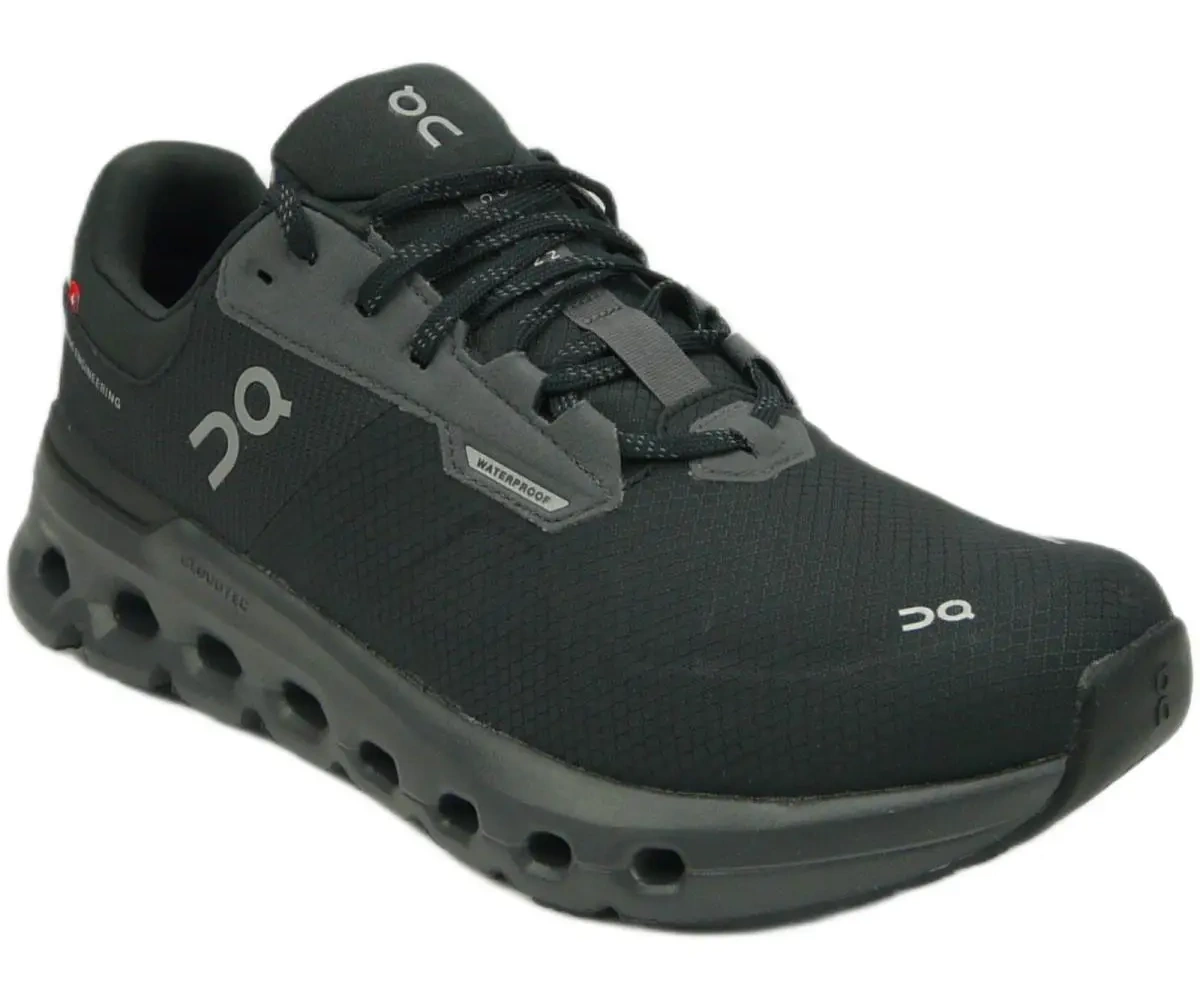
Cloudrunner vs Cloudsurfer: the quick answer
| Feature | On Cloudrunner 3 | On Cloudsurfer 2 |
|---|---|---|
| Best for | Long walks, all-day wear, standing and walkers who like stability | Brisk walking, travel and neutral walkers who prefer a fluid ride |
| Ride | Stable and controlled | Soft and smooth |
| Support | Stable | Neutral |
| Cushioning | Medium | Medium |
| Stability | High | Medium-high |
| Heel-to-toe drop | 8 mm | 8 mm |
| Men's listed weight | 311 g | 261 g |
| Cushioning system | CloudTec with Helion foam | CloudTec Phase with Helion foam |
| Our walking pick | Best overall for support and long days | Best for lighter, smoother walking |
Why walking changes the comparison
A shoe that feels exciting during a run does not automatically make the best walking shoe. Walking keeps the foot on the ground longer, the pace is slower, and many people combine walking with long periods of standing. That shifts the priorities.
For everyday walking, I care less about explosive energy return and more about how stable the shoe feels after an hour or two. The heel should feel secure. The forefoot should bend and roll naturally. Cushioning needs to soften repeated contact with pavement without turning the shoe into something wobbly.
This is exactly where the Cloudrunner and Cloudsurfer split. Cloudrunner is built around control. Cloudsurfer is built around flow.
Cloudrunner 3: the more supportive walking shoe
The newest Cloudrunner makes its intentions pretty obvious once it is on your foot. On widened the base and uses an asymmetrical heel clip, higher sidewalls and a plush heel and tongue to create a more locked-in feel. The shoe does not feel corrective in an old-fashioned orthopedic sense. It simply feels planted.
That broad platform is useful when your day is not one continuous fast walk. Think airport terminals, museums, shopping, commuting, standing in queues and then another couple of miles before dinner. At slower speeds, a stable base often feels more reassuring than a shoe designed mainly to disappear beneath the foot.
The Cloudrunner 3 uses Helion foam with On's CloudTec construction. Cushioning is officially rated medium rather than maximum, which I actually like for walking. There is enough protection from concrete and pavement without the exaggerated sinking sensation you sometimes get from very soft shoes.
The trade-off is weight. The men's Cloudrunner 3 is listed at 311 grams. That is not absurdly heavy, but beside the Cloudsurfer it definitely feels like more shoe. You gain structure and stability, and you carry a little more material with every step.
Browse current On Cloudrunner shoes if support, everyday comfort and a steady platform sit near the top of your list.
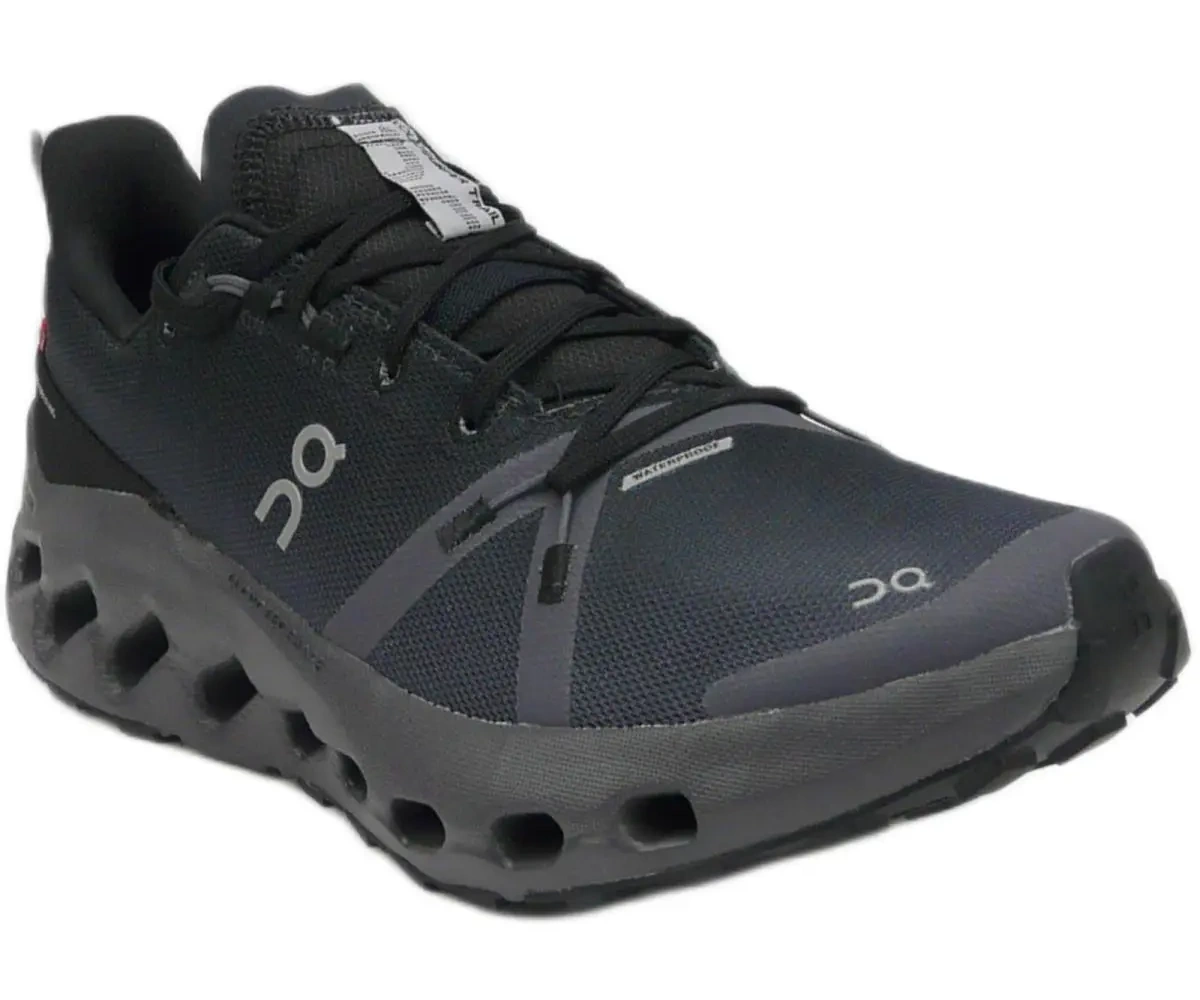
Cloudsurfer 2: smoother, lighter and more relaxed
Cloudsurfer 2 feels quite different. Where Cloudrunner seems to say, "I've got you," Cloudsurfer feels more like, "Go ahead, keep moving."
The big difference is CloudTec Phase. Instead of relying on the more familiar CloudTec setup used in the Cloudrunner, the Cloudsurfer's cushioning elements are designed to compress sequentially as your weight moves forward. You feel that as a smoother transition from heel contact through toe-off.
For brisk walkers, I can see the appeal immediately. There is less sense of fighting the shoe. It rolls cleanly through the stride, and at 261 grams for the men's reference model, it is 50 grams lighter than the current Cloudrunner 3.
That difference sounds trivial on paper. On your feet for several hours, it is not entirely trivial. A lighter shoe can simply feel less tiring, particularly for people who naturally walk quickly.
The Cloudsurfer 2 is still reasonably stable. On rates its stability medium-high, so "neutral" should not be confused with floppy. But it does not have the Cloudrunner's wider, more obviously support-oriented personality.
If your feet are comfortable in neutral footwear and you want something that feels smooth rather than structured, browse the available On Cloudsurfer shoes.
Which has better cushioning for walking?
This one is more about character than quantity. On rates both shoes as having medium cushioning, yet they do not feel identical.
Cloudrunner cushioning feels controlled. The wider base and support features keep the shoe from feeling too loose underneath you. I prefer this setup for someone who spends as much time standing as walking because the shoe remains predictable when you stop moving.
Cloudsurfer feels softer through the transition. The CloudTec Phase geometry is designed to compress in sequence, so you get more of a rolling sensation as the foot moves from back to front. That makes it particularly nice for steady walks where you keep a rhythm going.
Neither needs to feel marshmallow-soft to be comfortable. In fact, excessive softness can become annoying when you are standing around because the foot has to work harder to stay balanced. The best walking cushioning usually has some give, followed by enough resistance to keep you centered.
Which is better for standing all day?
Cloudrunner. Fairly comfortably.
If your job or routine involves several hours of standing mixed with walking, I would rather have the Cloudrunner 3's broad base and higher stability. The heel clip and higher sidewalls also give the rear of the shoe a more secure feel.
Cloudsurfer can certainly handle a day on your feet, but its best quality is the way it moves. If much of your day involves standing still on hard flooring, I would trade a little of the Cloudsurfer's lightness for the Cloudrunner's more substantial platform.
There is one important caveat. Comfort is personal. Someone with a neutral stride who hates structured shoes may feel better in Cloudsurfer even after eight hours. The spec sheet is useful, but your feet still get the final vote.
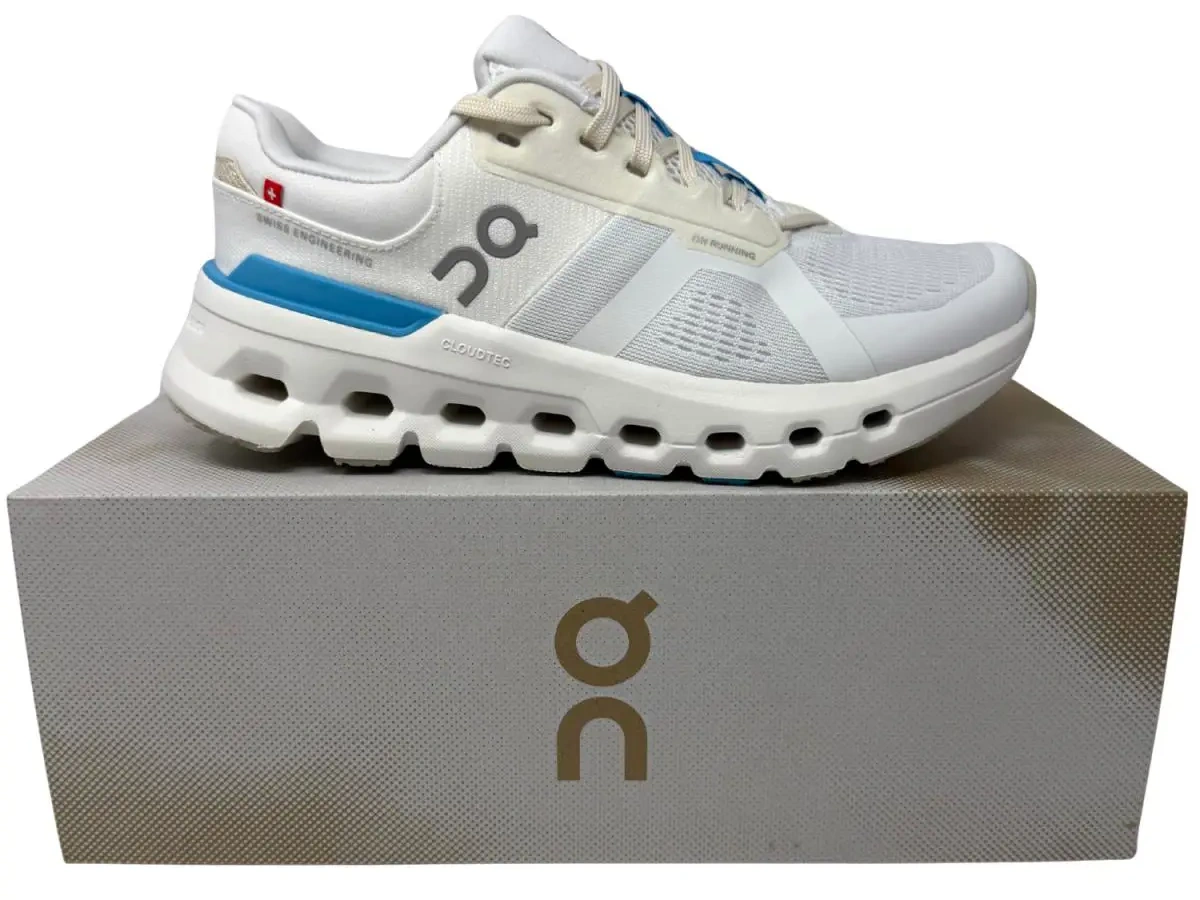
Which is better for travel and sightseeing?
This is where my choice becomes less automatic.
For a city break where you expect to cover several miles at a decent pace, Cloudsurfer 2 is excellent. It is lighter, breathable and easy to keep moving in. The smooth heel-to-toe transition also suits that familiar sightseeing pattern where you suddenly discover you have walked 18,000 steps without really planning to.
For a trip involving long airport queues, slower sightseeing, museums and lots of time standing around, I would lean back toward Cloudrunner.
So the travel answer is simple: Cloudsurfer for movement, Cloudrunner for support.
What about the 8 mm heel-to-toe drop?
Interestingly, the current Cloudrunner 3 and Cloudsurfer 2 both use an 8 mm drop. That means the difference between them is not coming from dramatically different heel heights.
An 8 mm drop sits in a fairly conventional middle ground for running and walking shoes. For many heel-first walkers, it feels familiar without creating the dramatic geometry found in some heavily rockered shoes.
Do not choose between these two based on drop alone. Their platform shape, support construction and cushioning behavior matter much more.
Fit and width: do not ignore this part
On describes the standard men's versions of both shoes as regular fitting and true to size. That gives you a reasonable starting point, but walking shoes deserve a little extra fitting attention because feet often expand during a long day.
Your toes should have room to move without the whole foot sliding forward. The heel should stay reasonably secure during turns and stairs. Try shoes with the socks you actually intend to wear, preferably later in the day rather than first thing in the morning.
Wide versions of both Cloudrunner and Cloudsurfer have also appeared in On's range, although availability can vary by market, model generation, size and color.
Do not automatically size up to solve a width problem. A longer shoe can create heel movement while still being too narrow in the wrong place.
Cloudrunner vs Cloudsurfer for foot support
If you already know that you feel better in stable shoes, Cloudrunner is the obvious starting point. Its geometry is intentionally designed to create a more controlled base, and On gives the current model a high stability rating.
That does not mean everyone who pronates slightly needs Cloudrunner, nor does it make Cloudsurfer unsuitable for healthy feet. Pronation is a normal part of walking. A shoe does not need to stop every bit of inward movement.
For a neutral walker with no recurring problems, Cloudsurfer's medium-high stability may be more than enough. For someone who regularly feels unstable in soft neutral shoes, Cloudrunner is the more sensible pair to test first.
Neither shoe should be treated as a medical treatment for plantar fasciitis, arthritis, tendon problems or other persistent foot conditions. If pain keeps returning, numbness develops, or you use prescribed orthotics, shoe selection is better discussed with a podiatrist, physiotherapist or another qualified clinician who can assess your individual needs.
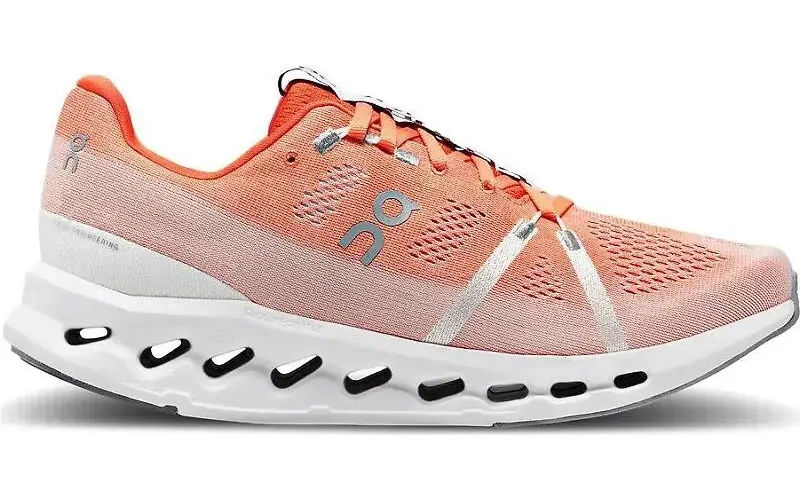
Who should choose the Cloudrunner?
I would choose the Cloudrunner 3 if your walking days are long, you spend plenty of time standing, or you simply enjoy a planted and secure shoe. It also makes sense for walkers who have tried very soft neutral shoes and found them a little too loose or unstable.
Cloudrunner is the better match for: all-day walking, commuting, standing-heavy jobs, slower walks, walkers who value stability and people who prefer a more substantial shoe.
The downside is straightforward. It is heavier and less effortless than the Cloudsurfer. Some neutral walkers will find that additional structure unnecessary.
Who should choose the Cloudsurfer?
Choose Cloudsurfer 2 when you want your walking shoe to stay out of the way. It is noticeably lighter and its CloudTec Phase system produces a smooth transition that suits faster, rhythmic walking beautifully.
Cloudsurfer is the better match for: brisk walkers, neutral feet, travel, everyday errands, people who value lower weight and anyone who enjoys a fluid heel-to-toe roll.
The compromise is support. It is not unstable, but it does not provide the same deliberately broad, locked-in sensation as Cloudrunner.
Our verdict: Cloudrunner wins for walking, but not for everyone
If somebody asked me to pick one of these shoes purely for walking without giving me any more information, I would hand them the Cloudrunner 3. The broad platform, high stability, secure heel and medium cushioning make it the safer all-round recommendation for long days on your feet.
Cloudsurfer 2 is the more enjoyable shoe for a certain type of walker, though. It is lighter by a noticeable margin, less structured and exceptionally smooth through the stride. A neutral walker covering several miles at a brisk pace may genuinely prefer it.
So I would not call Cloudrunner the "better shoe" full stop. It is the better support-focused walking shoe. Cloudsurfer is the better lightweight, smooth walking shoe.
That distinction matters. Buying footwear by reputation alone is an easy way to end up with an excellent shoe that happens to be wrong for your feet.
Compare the full range of On Running shoes, including Cloudrunner, Cloudsurfer and other On models, before deciding which balance of cushioning, weight and support feels right for your everyday routine.
Frequently asked questions
Is the On Cloudrunner or Cloudsurfer better for walking?
Cloudrunner is better for walkers who prioritize stability, heel security and long periods on their feet. Cloudsurfer is better for neutral walkers who want a lighter shoe with a smoother heel-to-toe transition.
Is the On Cloudrunner good for all-day walking?
Yes. The Cloudrunner 3 is specifically listed by On for walking and combines a wide platform, high stability, Helion foam, CloudTec cushioning and a supportive heel structure.
Is the On Cloudsurfer good for walking?
Yes. On also lists walking among the Cloudsurfer 2's activities. Its biggest strengths for walking are its relatively low weight and smooth CloudTec Phase transition.
Which is more supportive, Cloudrunner or Cloudsurfer?
Cloudrunner. The current Cloudrunner 3 is classified as a stable shoe with high stability, whereas Cloudsurfer 2 is classified as neutral with medium-high stability.
Which is lighter?
Cloudsurfer 2. On's current men's reference specifications list the Cloudsurfer 2 at 261 grams and Cloudrunner 3 at 311 grams. Weight varies depending on shoe size and version.
Which is better for travel?
Cloudsurfer is my pick for active trips and brisk sightseeing because it is lighter and rolls smoothly through each step. Cloudrunner makes more sense when the trip involves very long days, slow walking and plenty of standing.
Can I use either shoe for running as well?
Yes. Both are designed primarily as road running shoes and can easily cover a routine that mixes walking and running. Cloudrunner favors a stable ride, while Cloudsurfer favors a smooth one.