
WE SHIP WORLDWIDE
New Balance vs Saucony vs ASICS: Best Running Shoes Compared
New Balance, Saucony and ASICS are three of the first names I hear when runners ask for a dependable everyday shoe. All three make excellent footwear, all three cover neutral and supportive options, and all three have models for easy miles, faster sessions and long runs. That sounds helpful until you actually have to choose one.
From a trainer's point of view, the logo is not the deciding factor. The real question is how the shoe works with your foot, stride and weekly training. Even within one brand, a soft daily trainer can feel completely different from a stability shoe or speed-focused model.
This New Balance vs Saucony vs ASICS comparison breaks down the differences that matter in real training: cushioning, stability, fit, responsiveness, durability and gym versatility. You can also browse the current selection of running shoes as you compare the three brands.
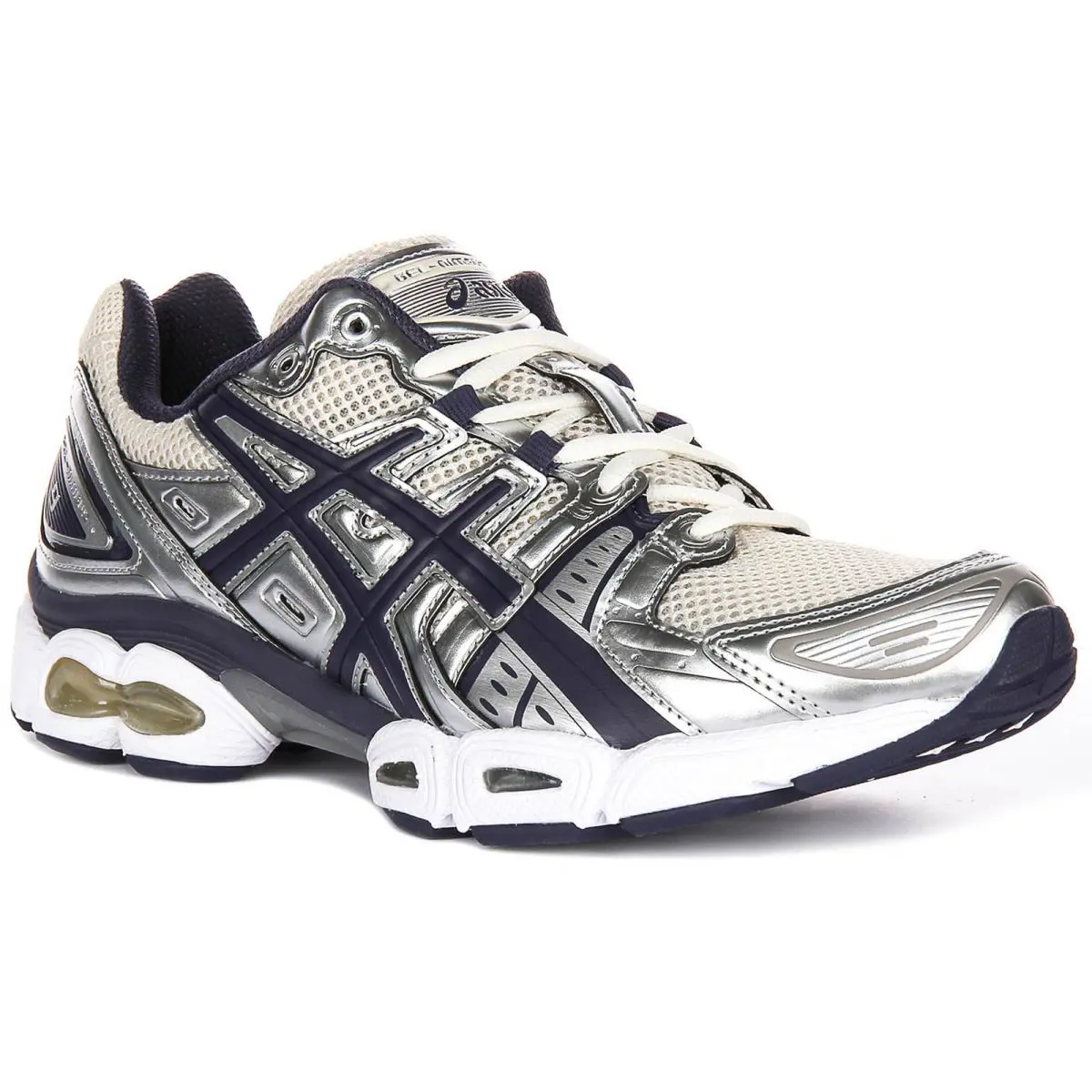
The quick verdict
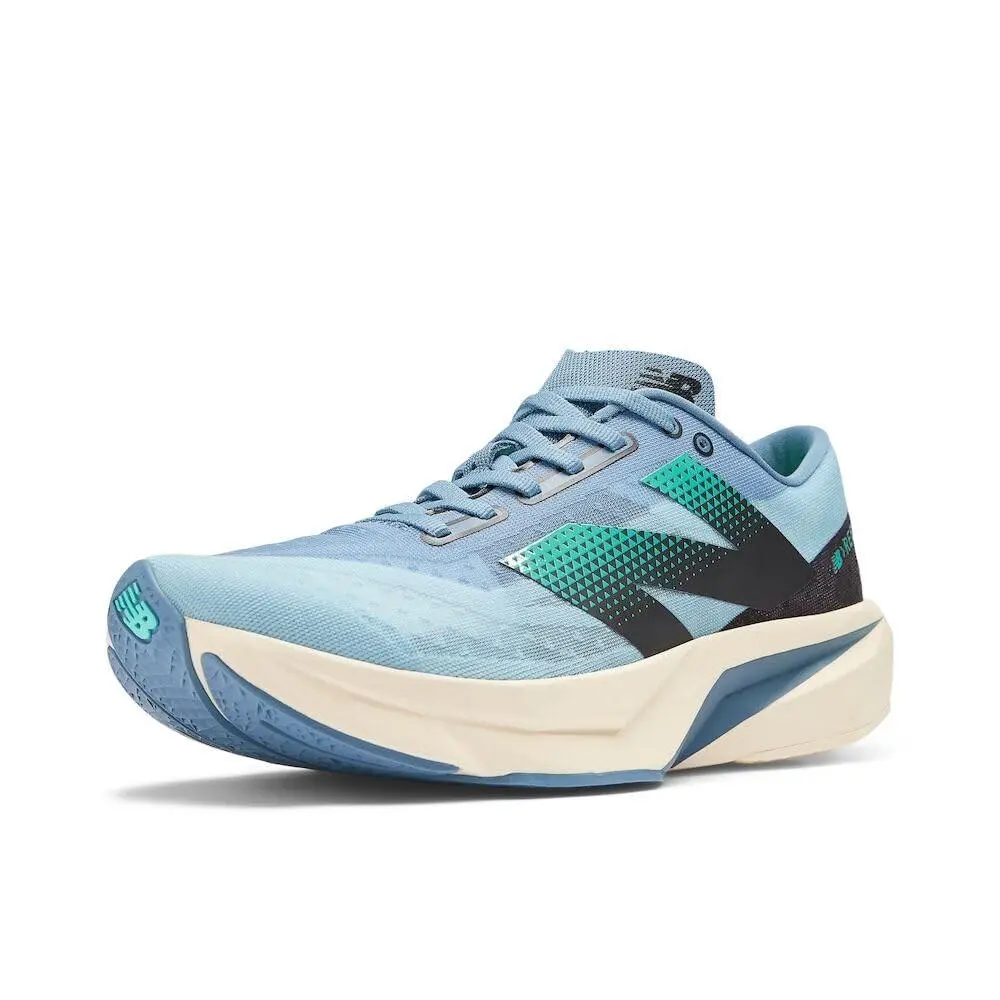
New Balance is the best starting point for runners who prioritize width choice and versatile comfort. Its range moves from soft Fresh Foam daily shoes to quicker FuelCell designs.
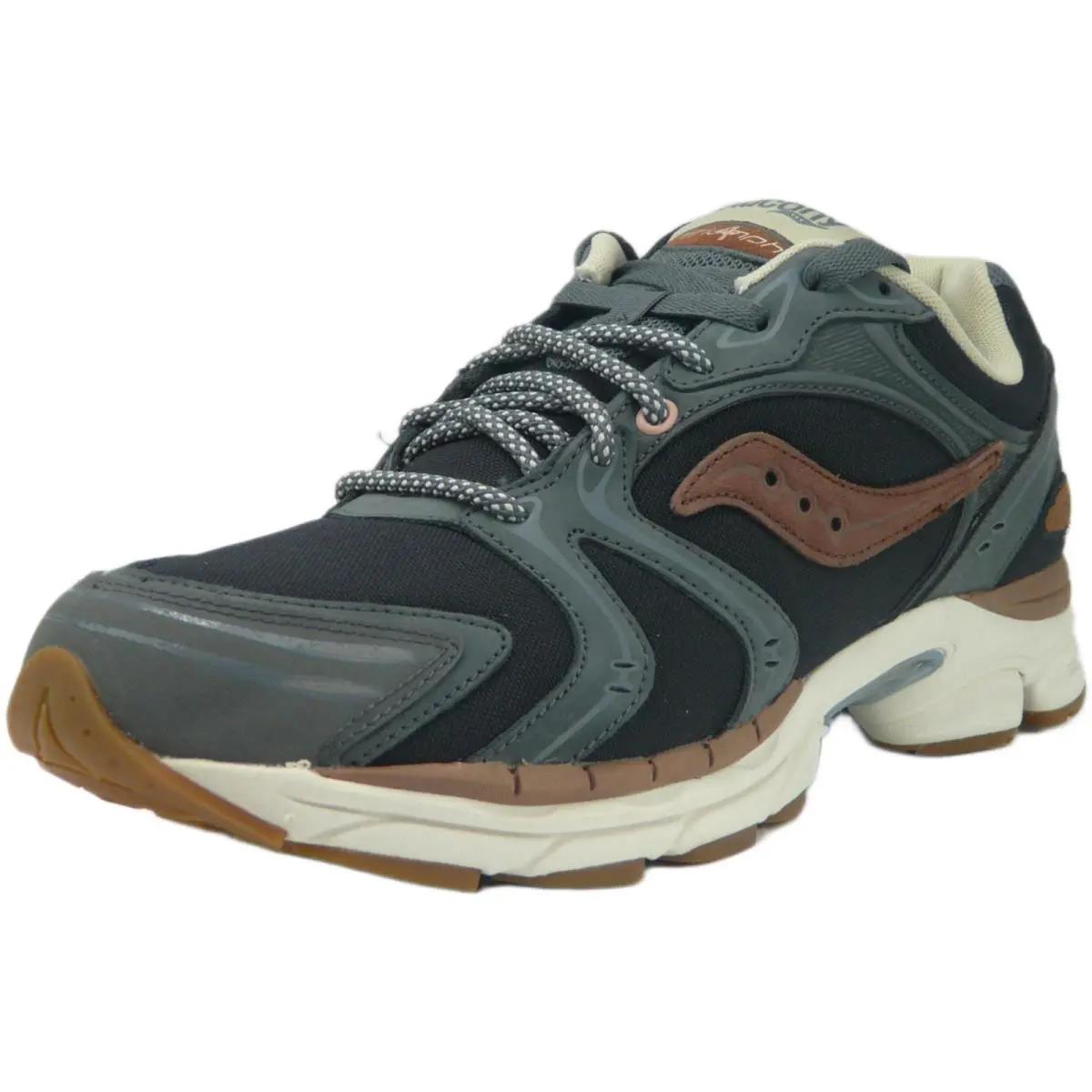
Saucony is a strong choice for runners who want a smooth ride without unnecessary bulk. Its range offers clear options for daily miles, stability, trails and faster training.
ASICS suits runners who value structured cushioning, secure support and a planted feel. Its range includes neutral, responsive and stability-focused shoes.
There is no universal winner. The model and fit matter more than the brand name.
New Balance vs Saucony vs ASICS at a glance
| Category | New Balance | Saucony | ASICS |
|---|---|---|---|
| Best known for | Fit variety, width options and versatile cushioning | Smooth transitions and runner-focused model choices | Structured comfort, support and stable platforms |
| Typical ride | Ranges from soft and protective to light and energetic | Often balanced, fluid and efficient | Usually secure, cushioned and controlled |
| Strong choice for | Wide feet, daily miles, walking and mixed easy training | Daily running, tempo work and runners who like a natural roll | Stability seekers, long runs and runners who prefer guidance |
| Possible drawback | The range is broad, so choosing the right family can be confusing | Some models may feel narrower or firmer than expected | Some models can feel more structured or substantial on foot |
New Balance running shoes: best for fit flexibility
When a client tells me that most running shoes pinch the forefoot, squeeze the midfoot or simply never feel quite right, New Balance shoes are often one of the first ranges I check. The brand is not only about wide shoes, but its attention to different foot shapes gives it a practical advantage.
New Balance also covers a useful spread of ride sensations. Fresh Foam running shoes target cushioned daily comfort, while FuelCell models lean toward a more energetic feel.
Who should choose New Balance?
Choose New Balance if you have had repeated fit problems, need a wider option, spend long hours on your feet or want a comfortable shoe that can handle easy runs and everyday wear. It is also a sensible place to look when two runners in the same household need completely different fits.
What should you watch for?
Do not assume every New Balance shoe feels roomy or soft. The racing and faster-training side of the range can feel more fitted, and some high-cushion models may be too soft for runners who prefer strong ground contact. Try to choose the model family first, then the width.
Saucony running shoes: best for a smooth, focused ride
Saucony shoes tend to make sense quickly. The range is organized around clear jobs: daily running, long-run comfort, stability, trails and faster sessions.
The Saucony Ride family is a familiar daily-training option, while Triumph models focus more heavily on protective comfort. Runners looking for support can explore the Saucony Guide, and trail runners may prefer the grip and protection associated with the Peregrine line.
Who should choose Saucony?
Saucony suits runners who want the shoe to disappear into the stride and dislike footwear that feels clumsy or heavily corrective. Its distinct options also make it useful for building a rotation.
What should you watch for?
Some Saucony models can feel more fitted through the midfoot or less plush than their appearance suggests. Runners with broad feet should check width availability rather than simply sizing up, because extra length does not fix pressure across the foot.
ASICS running shoes: best for support and secure cushioning
ASICS shoes appeal to runners who want a secure upper, dependable cushioning and a controlled platform. The range extends beyond stability, but support remains a core strength.
Neutral runners often compare cushioned options such as the GEL-Nimbus with more responsive families such as the Novablast. Runners seeking extra guidance commonly look at the GEL-Kayano, GT-2000 or GT-1000 families.
Who should choose ASICS?
ASICS is a sensible choice for runners who like to feel held in place, want a broad selection of supportive shoes or prefer a stable landing platform on longer runs. It can also suit runners returning to regular mileage who value consistency more than an ultra-minimal feel.
What should you watch for?
A secure shoe can feel reassuring to one runner and restrictive to another. Some ASICS models also feel more substantial than lighter alternatives. Make sure you are choosing support because it feels good in motion, not because you assume more structure is automatically better.
Which brand has the best cushioning?
For soft everyday cushioning, New Balance and ASICS both offer strong choices. New Balance often feels broad and comfortable, while ASICS combines softness with a more guided sensation. Saucony can feel slightly more direct and smoothly tuned.
The word "soft" is not the same as "comfortable." A very soft shoe can feel unstable if your ankle rolls around on the platform. A firmer shoe can feel more comfortable after an hour because it supports your stride consistently. When testing cushioning, pay attention to how the shoe feels after several minutes of walking or jogging, not only during the first step.
Which brand is best for stability?
ASICS has one of the clearest reputations for stability, with several model families built around different levels of guidance. Saucony is also very competitive, especially for runners who want support without an old-fashioned, rigid sensation. New Balance offers supportive models too, often with the added benefit of width selection.
As a trainer, I would not choose a stability shoe based only on whether your foot appears to pronate. Some inward movement is normal. The better test is whether the shoe improves comfort, control and confidence during your actual run. A supportive shoe should guide you without forcing your foot into an uncomfortable position.
Which brand is best for wide feet?
New Balance gets the overall advantage here because width choice is a major part of its running identity. Still, ASICS and Saucony offer wide versions in selected models, and a standard-width shoe from one brand may fit better than a wide shoe from another because toe-box shape, midfoot volume and heel hold all matter.
Do not solve a width problem by automatically going up a full size. That may create heel movement and place the flex point of the shoe in the wrong position. Look for secure heel hold, comfortable midfoot contact and enough room to spread the toes.
Which brand is best for speed and tempo runs?
All three brands make quicker shoes, so this category comes down to ride preference. New Balance FuelCell models often feel energetic and propulsive. Saucony has a strong performance identity and offers a natural progression from daily shoes to faster trainers. ASICS has become much more playful in this area, with lighter and bouncier options alongside its traditional cushioned shoes.
The best speed shoe is not always the most aggressive one. A shoe that stays smooth and stable as you tire is usually more useful.
Can you use these running shoes for gym training?
Yes, but only for the right type of gym session. A New Balance, Saucony or ASICS running shoe can work well for treadmill running, machines, light dumbbell work and general fitness. Soft, high-stack running shoes are less suitable for heavy squats, deadlifts, fast lateral drills and aggressive HIIT because the cushioning can compress and shift under load.
If your week is mostly gym work with only short runs, browse trainers and sneakers and read our guide to running shoes vs training shoes. If running is the priority and gym work is secondary, choose the running shoe that fits best and keep heavy lifting in a flatter pair.
How to choose between New Balance, Saucony and ASICS
Choose New Balance if:
You need more width choices, prefer a roomy and comfortable fit, walk as much as you run, or want a broad range from soft daily shoes to responsive performance models.
Choose Saucony if:
You want a smooth and purposeful running feel, prefer clearly defined options for daily miles and faster days, or want support without an overly bulky sensation.
Choose ASICS if:
You like secure uppers, structured cushioning, stable platforms or a well-developed selection of supportive running shoes for daily and long-distance training.
Before buying, make a simple list: your weekly mileage, usual surface, longest run, preferred cushioning, width needs and whether you use the same shoes in the gym. That list is more useful than any brand ranking.
Final verdict: which running shoes are best?
New Balance is my first recommendation for fit flexibility and width choice. Saucony gets the edge for runners who want a smooth, focused ride and an easy-to-understand range. ASICS remains one of the strongest choices for secure cushioning and stability.
The best brand is the one that still feels right late in the run. Your heel should stay secure, your toes should have room and the midsole should remain stable at your normal pace.
Start with the brand that best matches your priorities, then compare models within that family. Browse New Balance, Saucony and ASICS shoes, check the available size and width carefully, and choose for the training you actually do rather than the training you hope to do someday.
Frequently asked questions
Which is better, New Balance, Saucony or ASICS?
There is no single winner for every runner. New Balance is especially strong for fit choice and versatile comfort, Saucony often suits runners who want a smooth and lively ride, and ASICS is a dependable choice for structured cushioning and stability. The best option depends on your foot shape, gait, preferred cushioning and weekly training.
Which brand is best for wide feet?
New Balance is often the easiest starting point for wide feet because many of its running shoe families are offered in multiple width options. ASICS and Saucony also make wide versions of selected models, so the exact model and available width remain more important than the logo alone.
Which brand is best for stability running shoes?
ASICS and Saucony both have well-established stability lines, while New Balance also offers supportive daily trainers. Compare how the shoe guides the foot, the width of the platform and how secure the upper feels rather than choosing only by a stability label.
Can I use these running shoes for gym workouts?
Running shoes can work for treadmill sessions, machines, light resistance training and general fitness. For heavy lifting, fast lateral drills or demanding HIIT, a flatter and firmer training shoe is usually more stable than a soft running shoe.
How should running shoes fit?
A running shoe should hold the heel securely, feel comfortable through the midfoot and leave enough room for the toes to spread without sliding. Try shoes with the socks you normally run in and judge the fit while standing, walking and jogging, not only while seated.