
WE SHIP WORLDWIDE
How to Spot Fake New Balance Shoes: 5 Things to Check Before You Buy
New Balance sneakers are everywhere these days. You'll see them on runners, sneaker collectors, celebrities, and people who simply want a comfortable pair of shoes that looks good with almost anything.
Models like the New Balance 550, 9060, 2002R, and 990 have become especially popular. And whenever a sneaker becomes popular, counterfeit versions usually follow.
The problem is that fake New Balance shoes aren't always easy to recognize. Some look remarkably similar to the originals, right down to the logo, shoe box, and labels. You might not notice anything suspicious until you put them next to a genuine pair.
So, how can you tell if your New Balance shoes are real?
There isn't one simple trick that works for every model. But there are a few details that counterfeit manufacturers sometimes get wrong.
Here are five things worth checking before you buy your next pair.
How Can You Tell if New Balance Shoes Are Fake?
To spot fake New Balance shoes, start by checking the N logo, stitching, tongue label, product code, materials, and sole. Compare these details with official photos of the exact model and colorway. The shoe box, seller's reputation, and price can also help you identify a suspicious pair.
One thing to remember: a small manufacturing flaw doesn't necessarily mean a shoe is fake. You're looking for several warning signs, not just one imperfect stitch.
1. Take a Close Look at the N Logo and Stitching
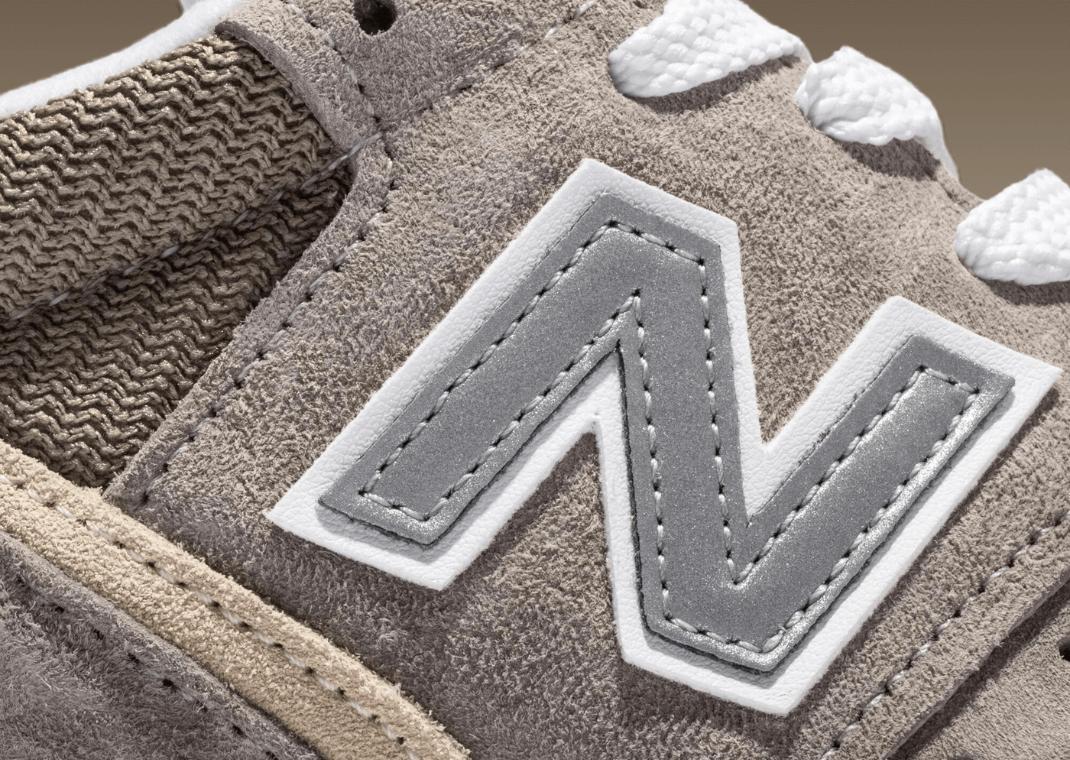
The large "N" on the side is probably the most recognizable feature of a New Balance sneaker. It's also one of the first places you should look when checking authenticity.
On genuine shoes, the logo should have the correct shape, size, and position for that particular model.
Fake versions sometimes get these details slightly wrong. The N might be too wide, sit a little too high, or have stitching that doesn't follow the edges properly.
Don't just glance at the logo. Look at it from different angles, and compare both shoes.
Pay attention to the stitching around the logo, toe box, heel, and other panels. Crooked seams, uneven spacing, or several loose threads can be warning signs.
That said, don't expect every genuine sneaker to be absolutely perfect. Even expensive shoes occasionally leave the factory with minor cosmetic imperfections.
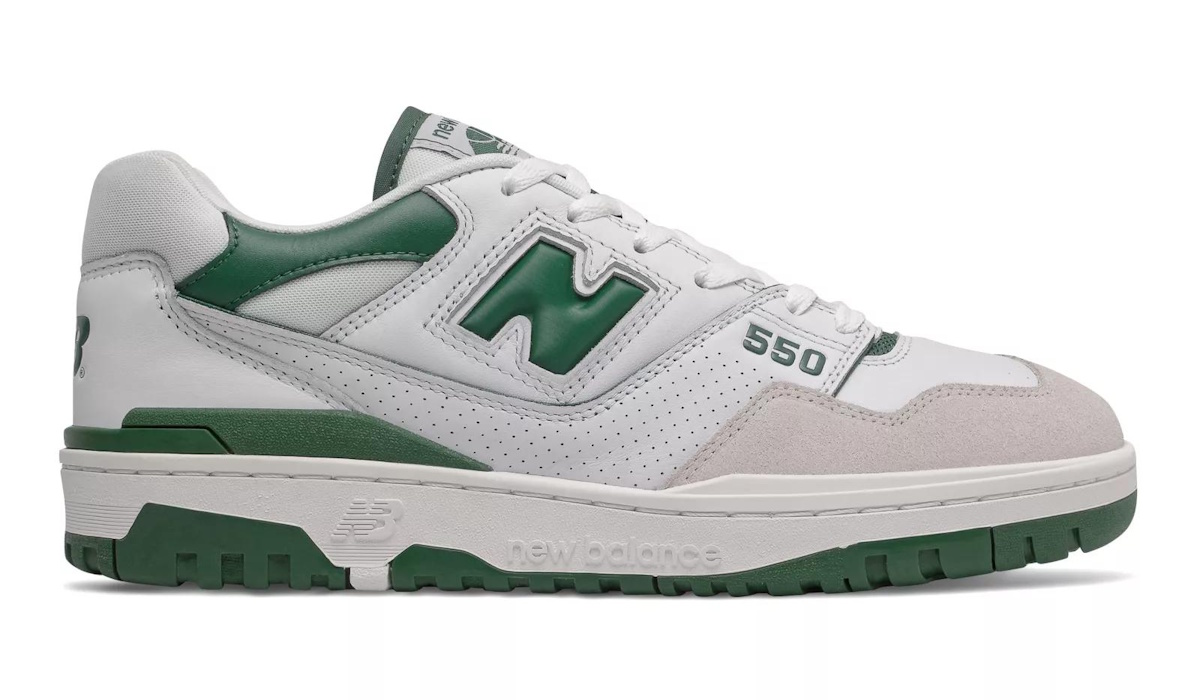
The New Balance 550 is a good example because its design includes several details you can compare.
Look at the N logo, the perforations in the leather, and the shape of the toe box. Check how the leather panels overlap and whether the stitching follows the same lines as an authentic pair.
If something looks different, find official photos of that exact colorway before drawing conclusions.
2. Check the Tongue Label and Product Code
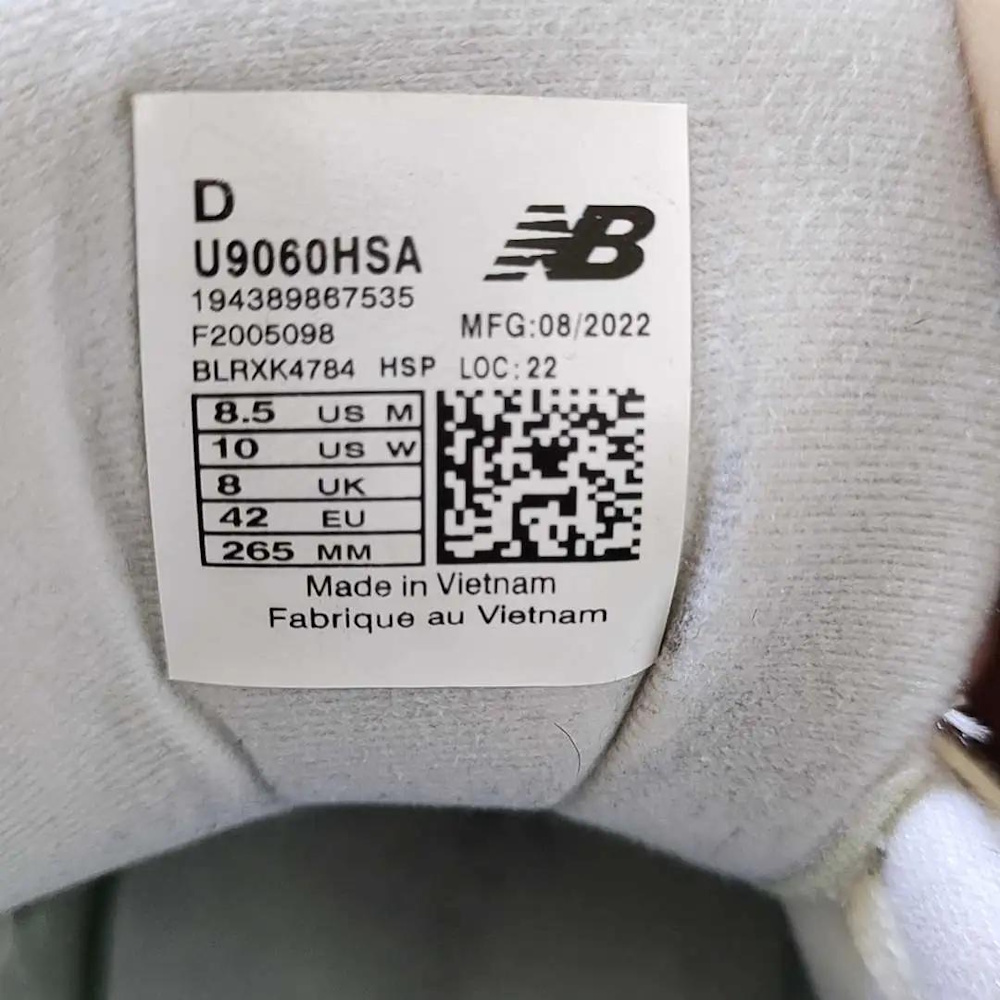
Here's something many people overlook: the label inside the shoe can tell you quite a bit.
New Balance shoes generally have a label containing information such as the size, model code, and manufacturing details. The format can differ depending on when and where the shoes were produced.
Start with the product code.
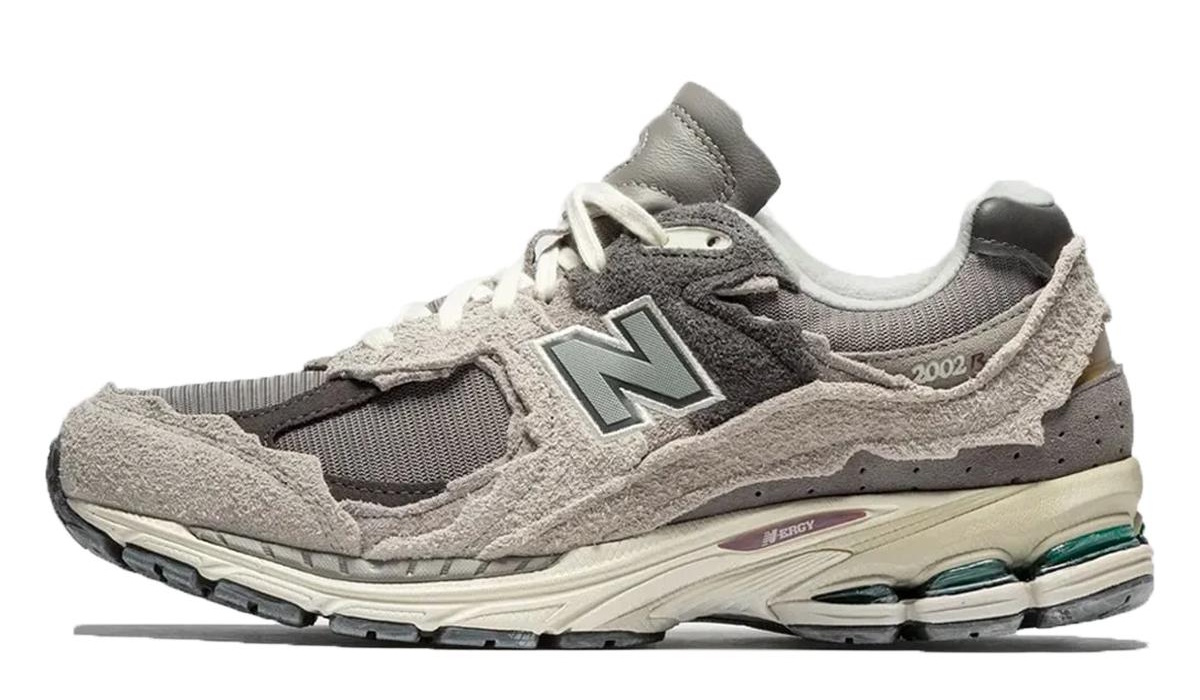
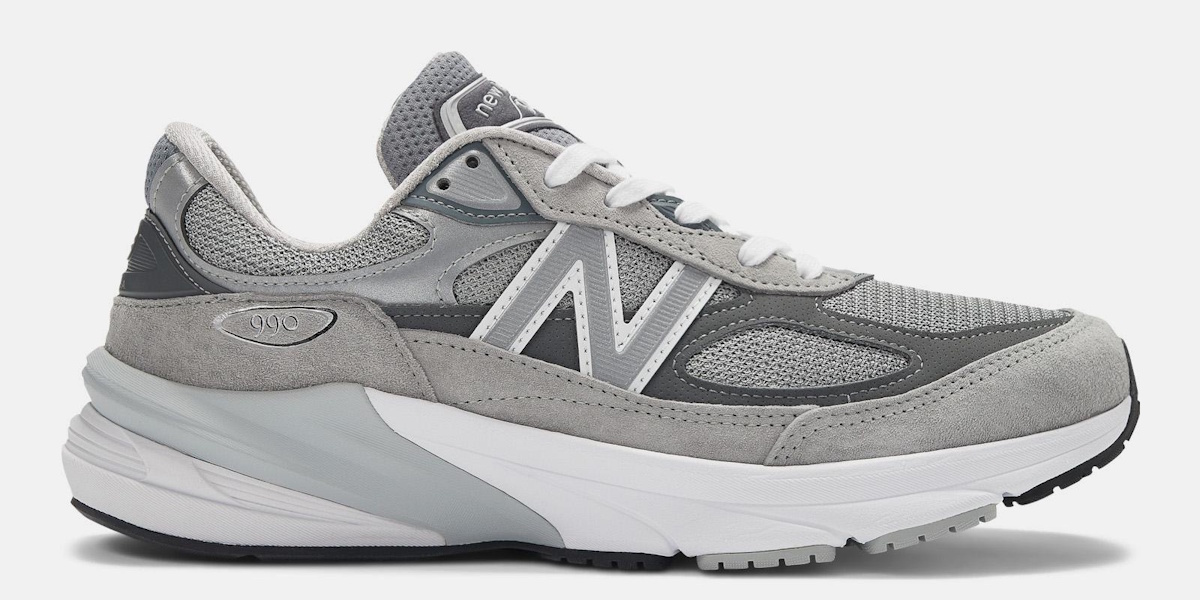
For example, the New Balance 2002R Protection Pack in the Rain Cloud colorway uses the code M2002RDA. A grey New Balance 990v6 Made in USA uses M990GL6.
Try searching for the complete code online.
Does it bring up the same model you're holding? Is the color correct? Do the materials and design match?
If the code points to a completely different shoe, that's a reason to be suspicious.
Also check for obvious spelling mistakes, unusual printing, or size information that doesn't match the shoe box.
Just remember that counterfeiters can copy genuine product codes. Finding the correct code is reassuring, but it doesn't automatically prove the shoes are authentic.
What About the New Balance QR Code?
New Balance introduced a QR-code authentication system for shoes manufactured from May 2025 onward, replacing the previous Data Matrix code on applicable labels.
If your shoes have the newer authentication QR code, scanning it should take you to New Balance's authentication microsite, where you can check the shoe information.
Make sure the details displayed match the actual shoes.
If the code simply opens an online store or an unrelated website, that's not the expected authentication process.
And don't worry if an older pair doesn't have this QR code. Shoes manufactured before May 2025 may use the previous labeling system.
You can find current authentication guidance through the official New Balance website.
3. Feel the Materials and Check the Overall Finish
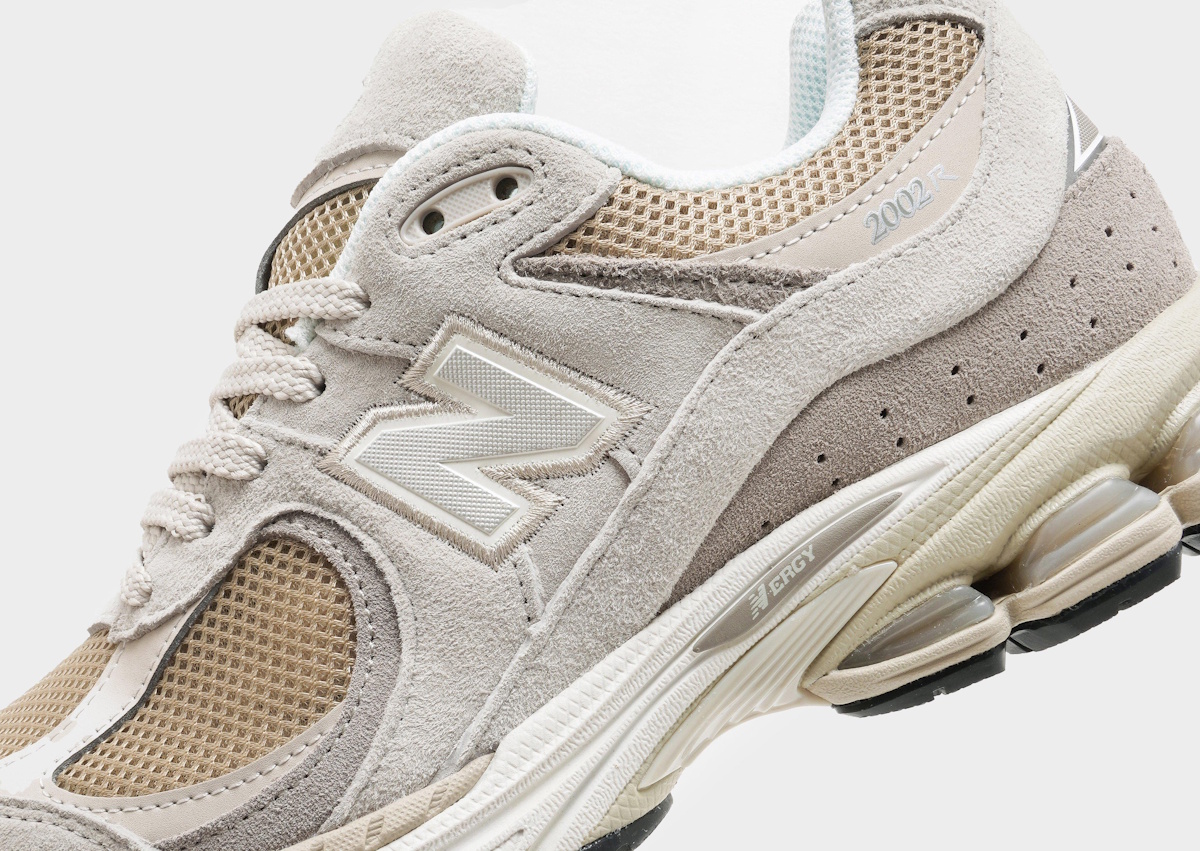
You can learn a lot about a sneaker simply by holding it.
New Balance uses different combinations of suede, leather, mesh, and synthetic materials across its collections. Some models have soft suede panels, while others rely more heavily on breathable mesh.
Counterfeit shoes may look similar in photographs but feel quite different in person.
For example, suede might feel unusually stiff, leather may have an unnatural plastic-like finish, or the mesh could have a different texture from the original.
Take a close look at where the materials meet.
Are the panels lined up properly? Is there excessive glue around the edges? Does one shoe look noticeably different from the other?
Also pay attention to the overall shape. Some fake sneakers have a toe box that's too bulky, a heel that's too narrow, or proportions that don't quite match the original.
Of course, materials vary between models. You shouldn't expect a New Balance 530 to feel like a premium 990.
The best comparison is always with the same model and colorway.
The New Balance 2002R Protection Pack is particularly interesting because of its rough-cut, layered design.
At first glance, some of its unfinished-looking edges might seem like poor workmanship. But that's actually part of the design.
So don't mistake the intentionally rough overlays for a sign of counterfeiting.
Instead, compare their shape, placement, and texture with official product images. The layers should follow the original design, even if the edges aren't perfectly smooth.
4. Examine the Sole, Especially on Chunky Models
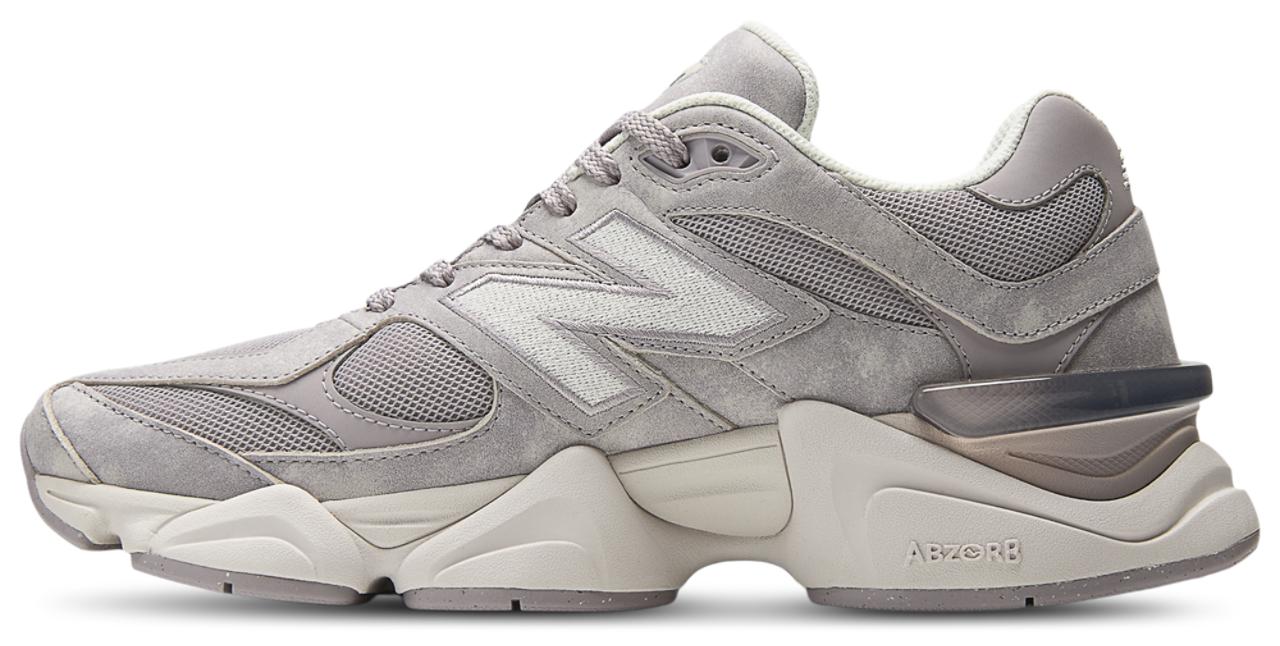
Most people focus on the upper part of a sneaker and forget to turn it over.
That's a mistake, because the sole can reveal some important differences.
New Balance uses several cushioning technologies, including ENCAP, ABZORB, and FuelCell. The technology and construction depend on the model.
Counterfeit manufacturers sometimes reproduce the appearance of the sole without getting its shape and details quite right.
Look at the midsole from the side.
Are the curves and sculpted sections in the right places? Does the heel look too tall or too flat? Are the printed logos positioned correctly?
Then check the bottom of the shoe.
Compare the tread pattern, grooves, and rubber sections with official photos.
Also look for poorly joined materials or unusual gaps between the upper and midsole.
You might be tempted to judge authenticity by comfort alone, but that isn't very reliable. A shoe's cushioning can feel different depending on its age, condition, and how much it has been worn.
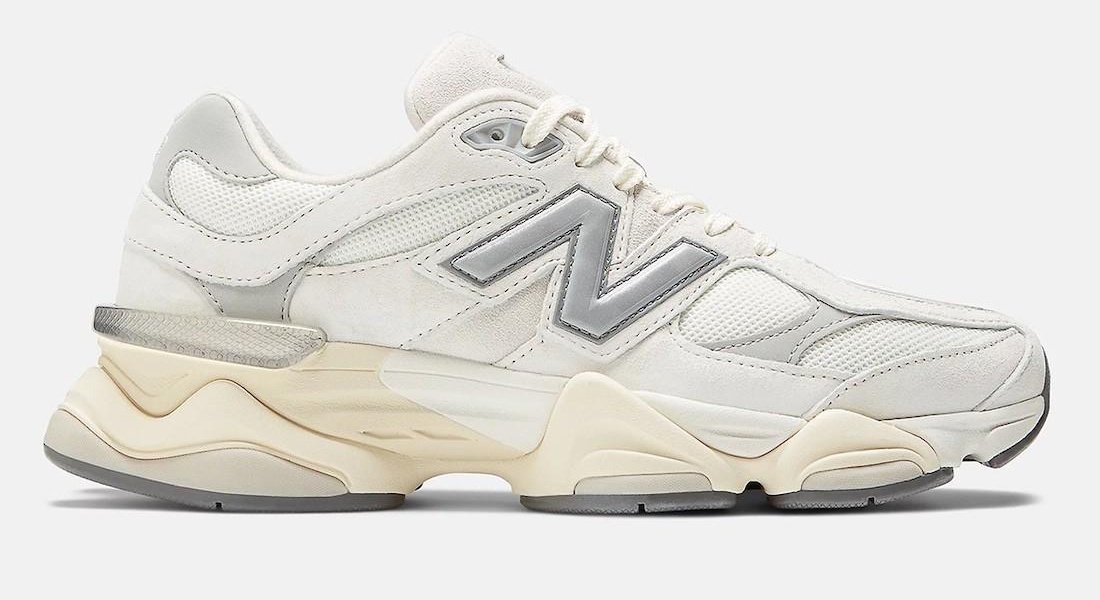
The New Balance 9060 is known for its oversized, sculpted sole.
It's one of the features that makes the shoe instantly recognizable.
When examining a suspicious pair, pay particular attention to the proportions of the midsole, the shape around the heel, and the outsole pattern.
A counterfeit version might look convincing from above but noticeably different when viewed from the side.
5. Don't Ignore the Shoe Box, Price, and Seller

Sometimes the biggest warning sign has nothing to do with the shoe itself.
Imagine finding a popular New Balance model at a fraction of its usual price on a website you've never heard of.
Could it be a genuine clearance deal? Absolutely.
But it's worth checking a few things before entering your payment details.
First, look at the seller. Does the website provide contact information? Are the return conditions clear? Can you find independent reviews?
Be particularly careful with sellers who use only generic product photographs or refuse to provide basic information about the shoes.
If the sneakers come in their original box, compare the box label with the tongue label.
The model code, color, and size should match.
Keep in mind that genuine sneakers are sometimes sold without their original packaging, especially secondhand or store-display pairs.
Likewise, a convincing New Balance box doesn't guarantee that the shoes inside are authentic. Counterfeit packaging can look surprisingly accurate.
Buying directly from New Balance or an authorized retailer is generally the safest choice. If you're buying from another seller, take a little extra time to check their reputation.
5 Popular New Balance Models Worth Checking Carefully
Certain New Balance sneakers are especially popular with fashion enthusiasts and collectors. That makes them worth examining carefully when shopping through unfamiliar sellers or resale marketplaces.
Here are five models and the details I'd focus on when checking them.
1. New Balance 550
Check the leather panels, perforations, N logo, and toe-box shape. Small differences in the panel placement can be easier to notice when compared side by side with genuine photographs.
2. New Balance 9060
Focus on the chunky midsole, heel construction, and suede panels. The unusual sole design gives you plenty of details to compare.
3. New Balance 2002R
Look closely at the layered materials, stitching, and ABZORB midsole. For Protection Pack versions, pay attention to the placement of the rough-cut overlays.
4. New Balance 990 Series
Models such as the 990v3, 990v4, and 990v6 have different designs. Check the exact version, materials, country-of-origin information, and sole construction.
5. New Balance 530
Examine the mesh, metallic-looking overlays, heel shape, and N logo. The outsole pattern is another useful point of comparison.
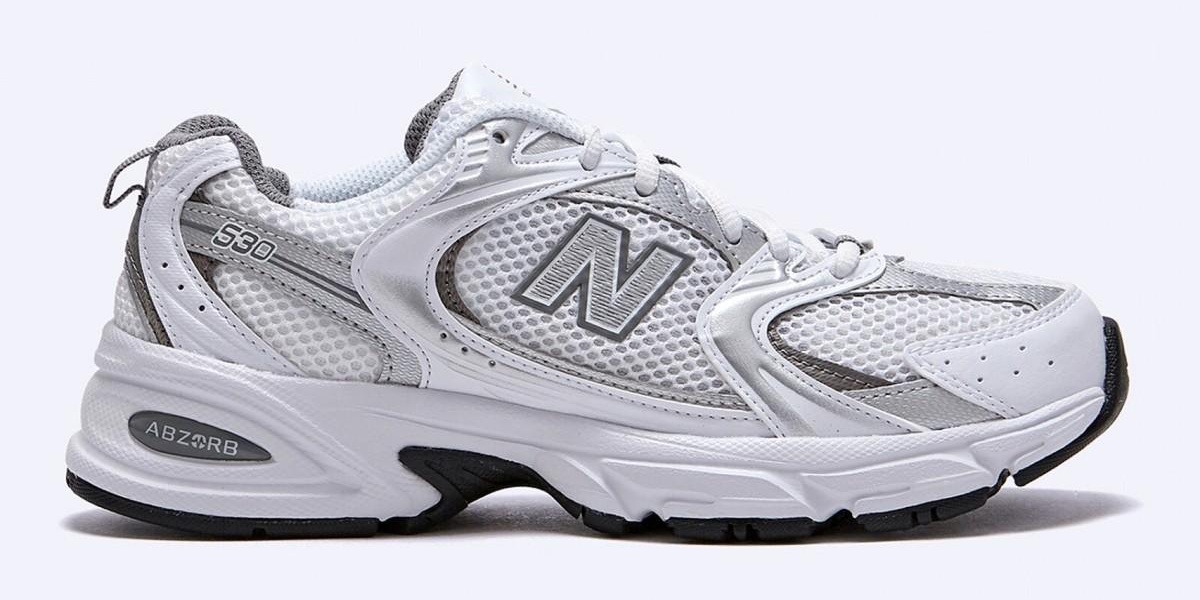
These are popular models to watch, not a confirmed ranking of the most frequently counterfeited New Balance sneakers.
Frequently Asked Questions
How do I know if my New Balance shoes are original?
Start with the model code, logo, stitching, materials, and sole. Compare them with official photographs of the exact model and colorway. For newer shoes with supported QR-code authentication, follow New Balance's verification instructions.
Can fake New Balance shoes have real product codes?
Yes. Counterfeiters can copy product codes from genuine shoes. A matching code is helpful, but you should still inspect the physical details.
Are New Balance shoes made in China fake?
No. New Balance manufactures genuine shoes in several countries, including China, Vietnam, the United States, and the United Kingdom. The manufacturing location alone doesn't determine authenticity.
Can fake New Balance shoes come with original-looking packaging?
Yes. Counterfeiters can copy boxes, labels, and other packaging details. A professional-looking box doesn't prove the shoes are genuine.
Are discounted New Balance sneakers suspicious?
Not always. Legitimate retailers offer discounts, especially on older styles and seasonal collections. However, an extremely low price from an unfamiliar seller is worth investigating.
Final Thoughts: A Few Minutes of Checking Can Save You Trouble
You don't need to be a sneaker expert to notice some of the differences between real and fake New Balance shoes.
Start with the obvious details, such as the N logo and stitching. Then check the product code, materials, sole, and packaging. If something doesn't look right, compare the shoes with official photographs before making a decision.
Most importantly, don't judge a pair based on one small flaw. Even genuine New Balance sneakers aren't always perfect.
Whether you're buying a classic 550, a chunky 9060, or a premium 990, knowing what to look for can help you avoid an expensive mistake.
And if you're still unsure about a pair, buying from a trusted retailer is usually a better choice than taking a chance on a deal that seems too good to be true.